


Some maps arrive with a bang. Others roll in like distant thunder. de_storm2 is firmly in the second camp—a rework of the original de_storm, rebuilt and refined by a mapper known only as Daank, aka FLiPMoDE. No fanfare, no hype cycle, just a quiet release in 2002 and the slow burn of relevance that followed.
Iikka Keränen—a well-known figure from the Doom and Counter-Strike scenes—for contributed textures to the original Storm. However, the official map files for both de_storm and de_storm2 list also credit two other texture artists jOeSmOe, and MattC. about whom little is publicly known. While Keränen went on to work professionally at Valve and contributed to several official Counter-Strike maps, the roles and backgrounds of the other two artists remain unclear. Both versions of the map reused many original assets alongside new ones, which may have contributed to some of the credit complexities.
As for Daank, his path is easier to trace. Early on, he mapped Tombraid and Storm, the latter of which caught the eye of Jess Cliffe and made it into Counter-Strike 1.3’s official rotation—a rare promotion in the wild west of early custom mapping. Then came de_storm2, a more polished version. And then… radio silence. No more maps. No interviews. Just a name etched into the BSP files of a forgotten classic.
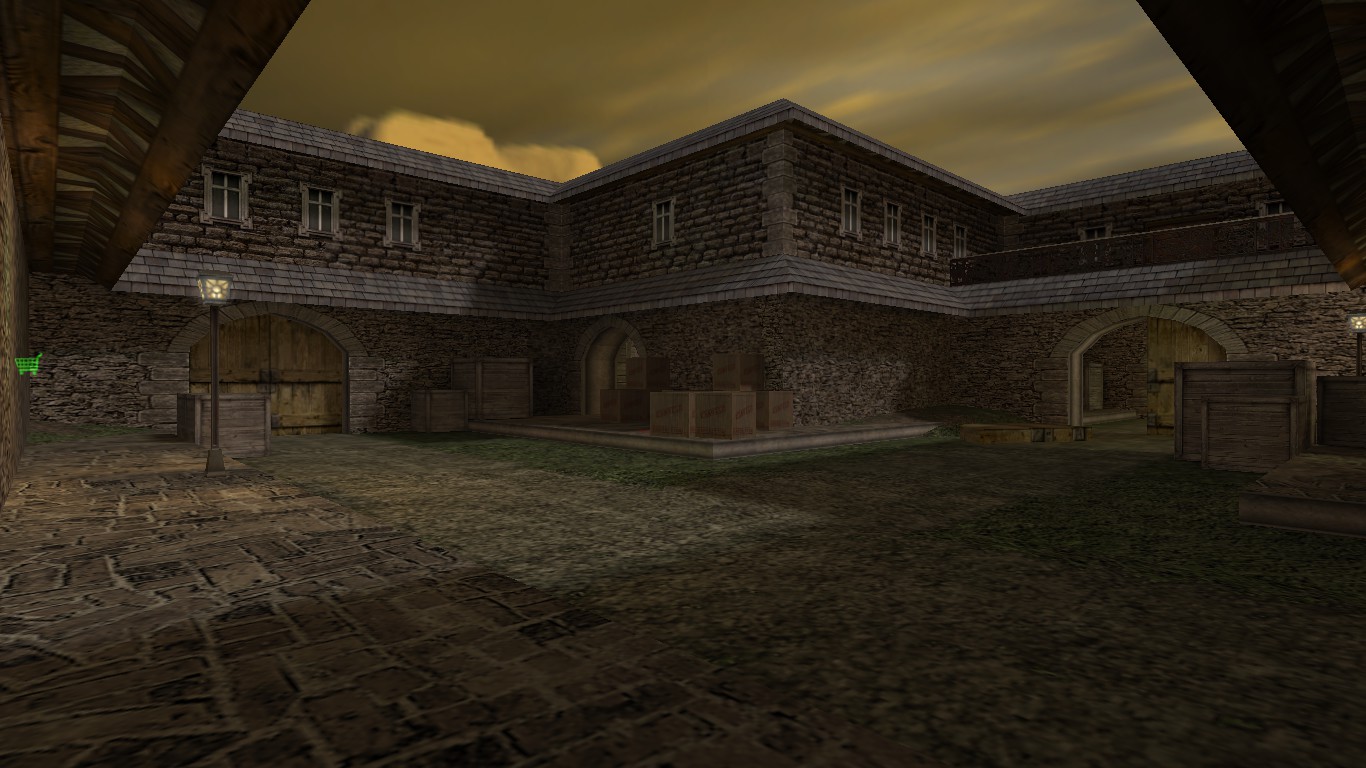
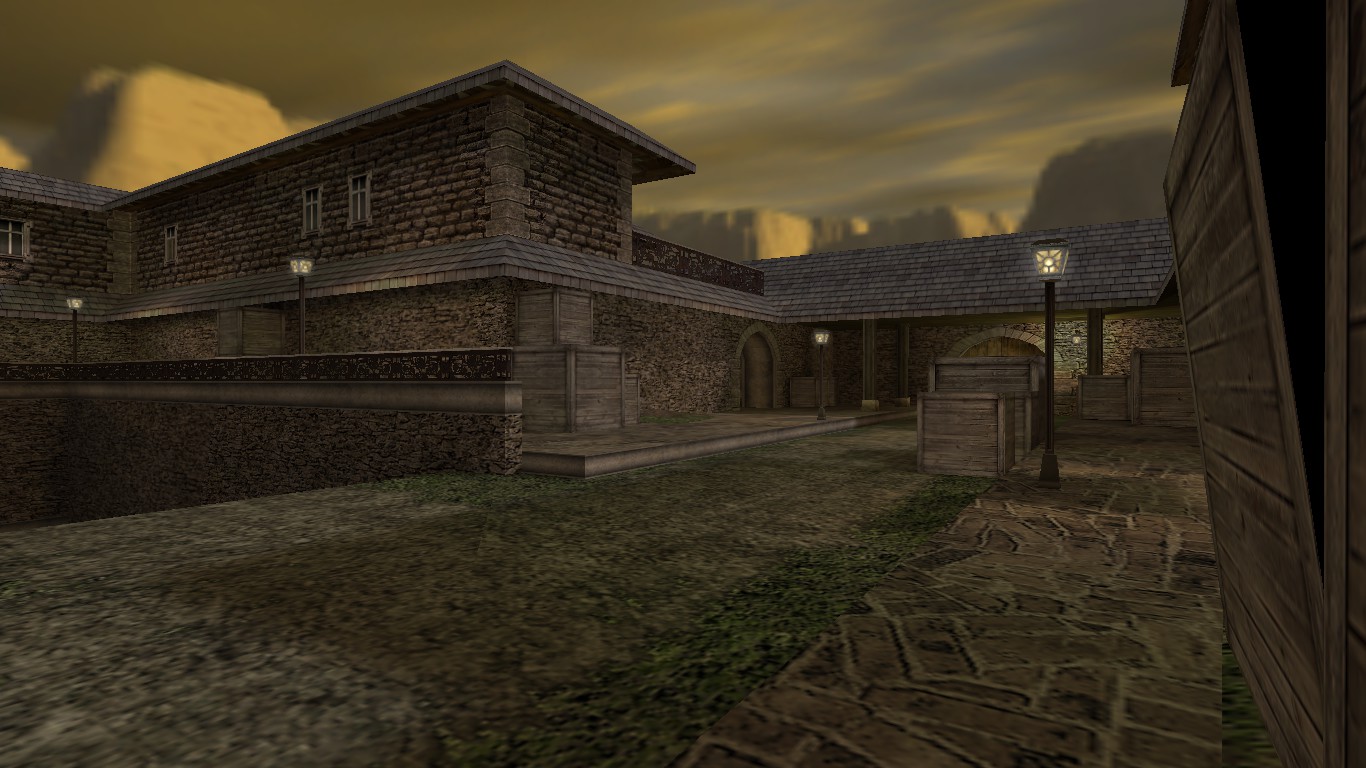
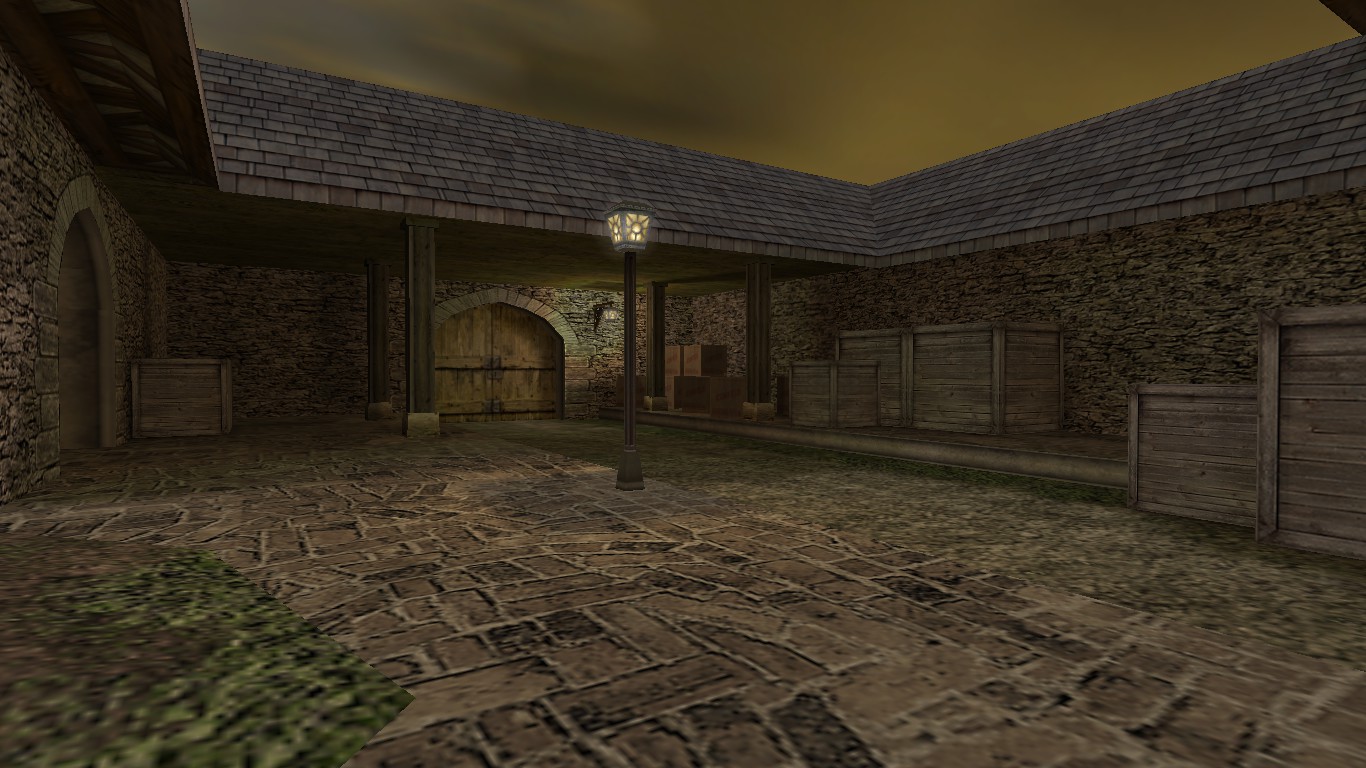
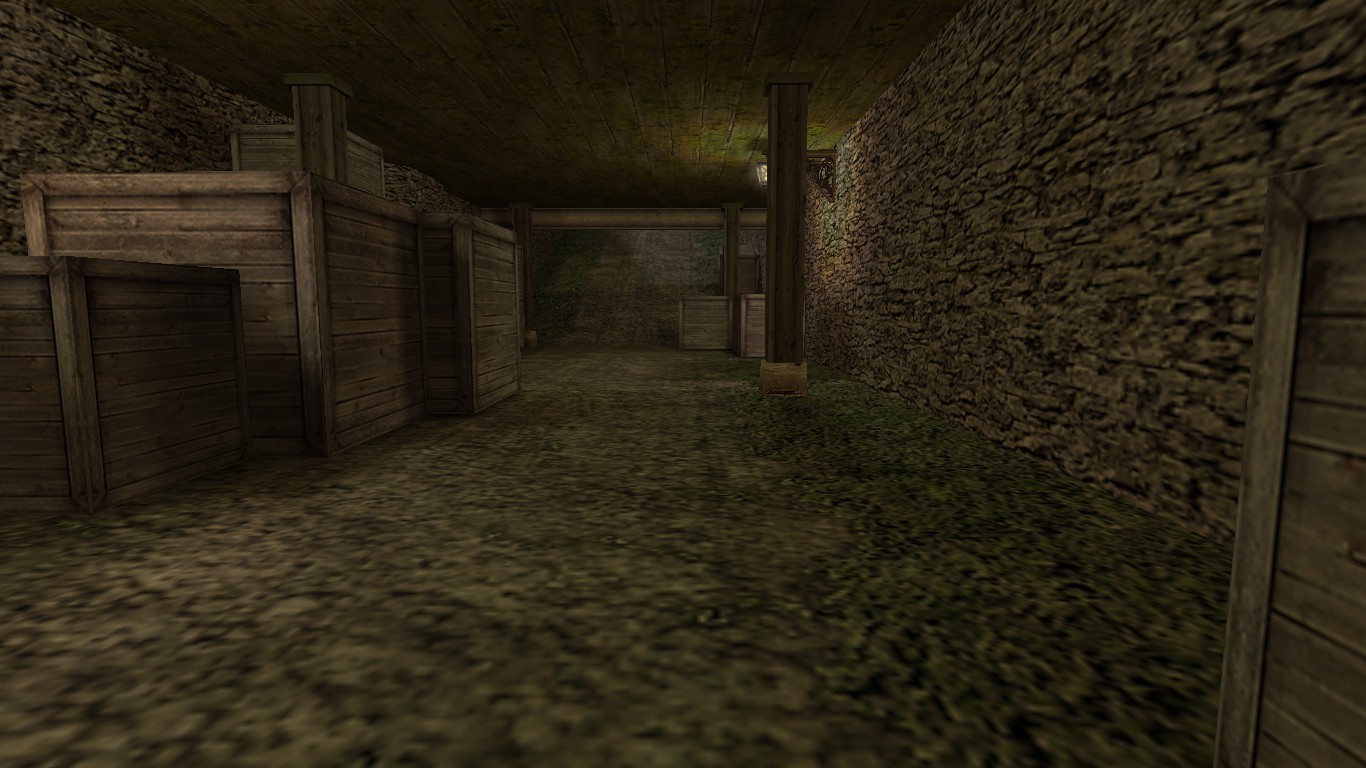
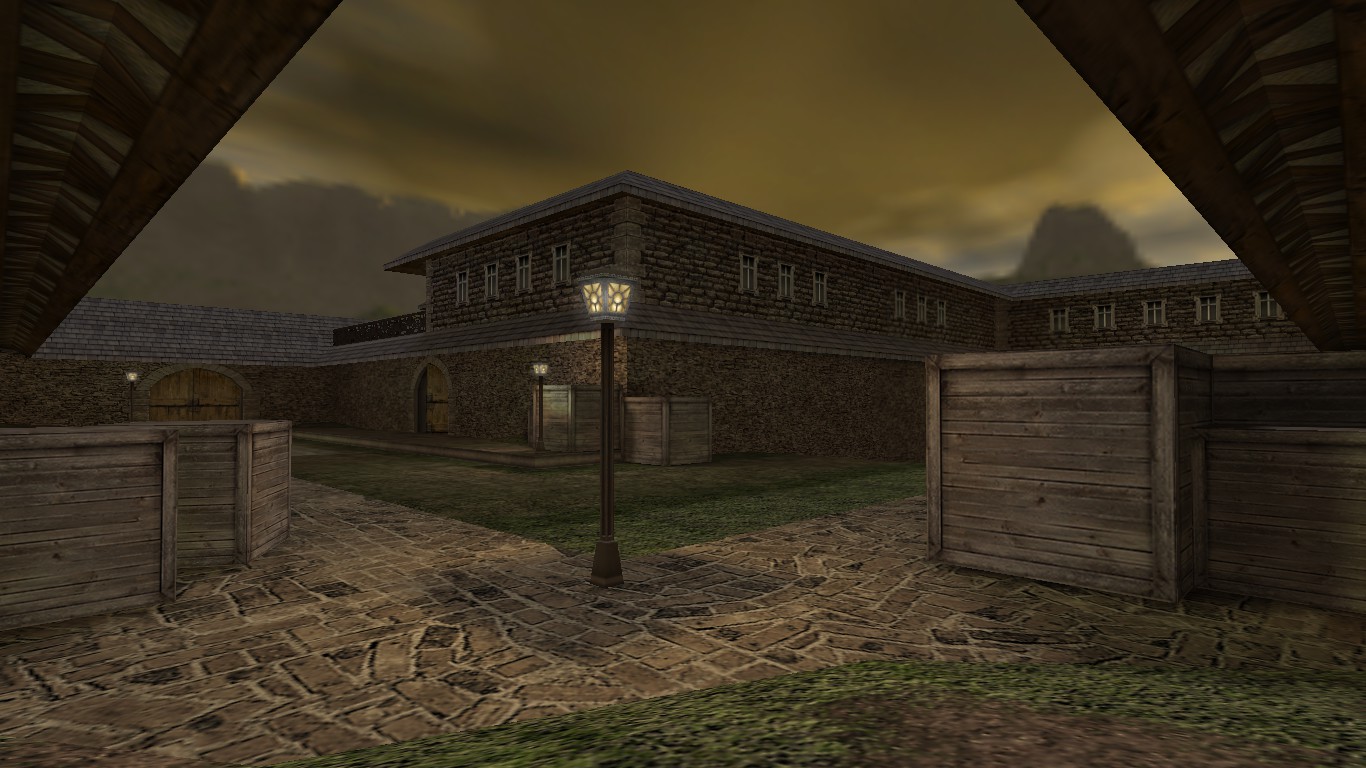
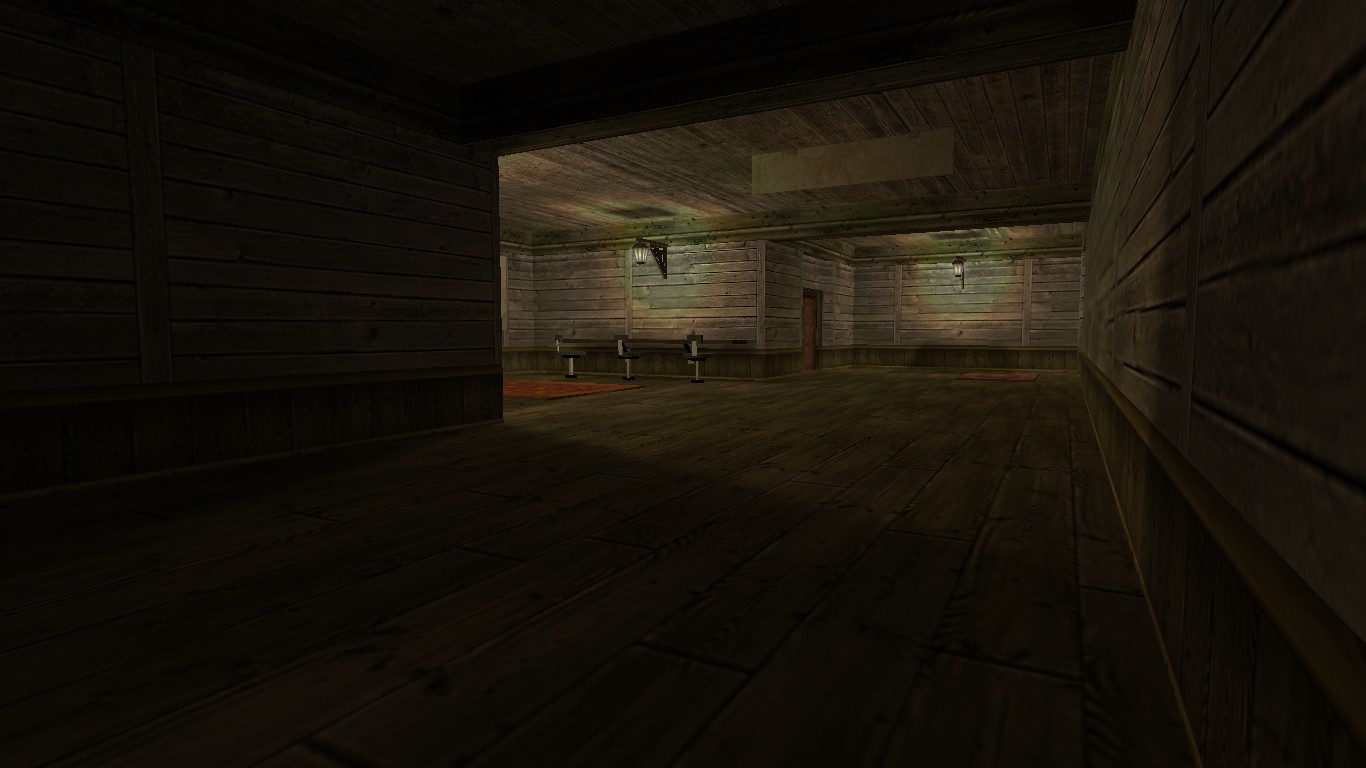
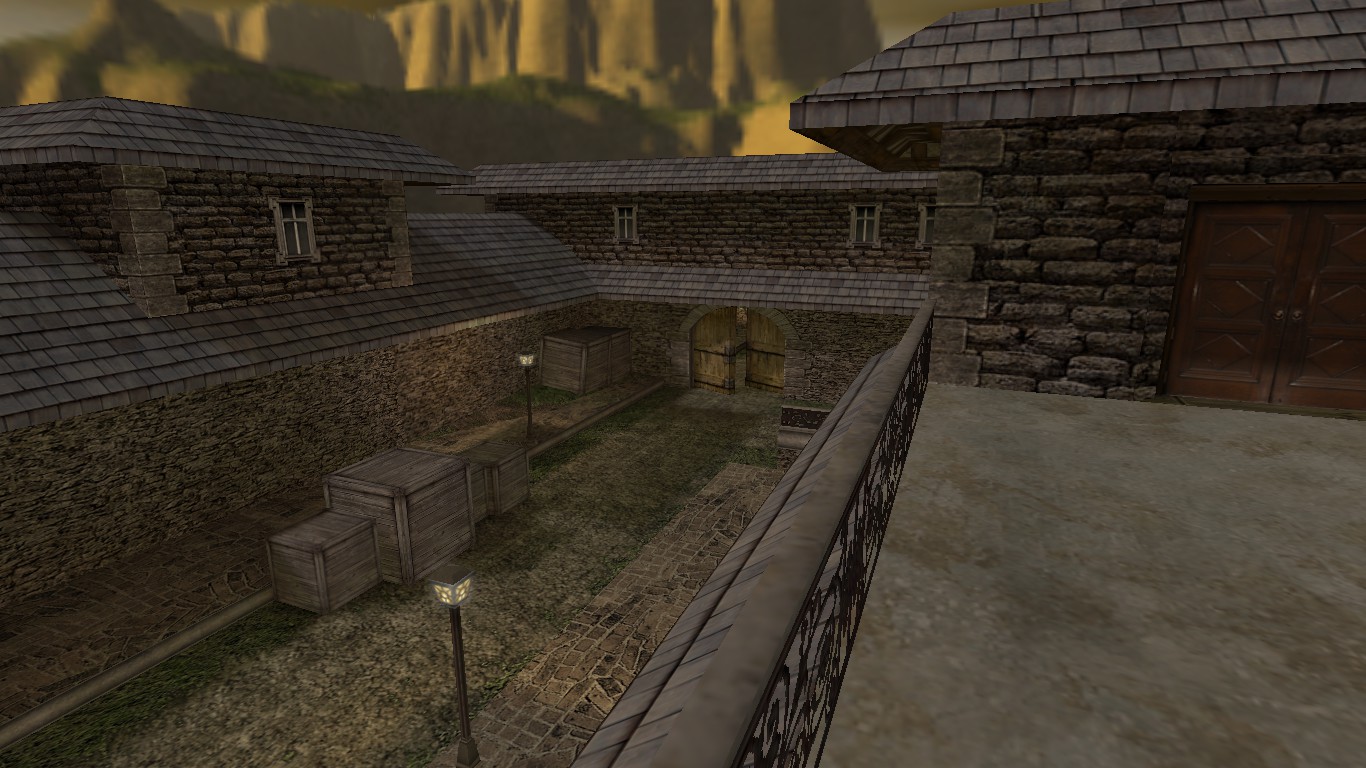
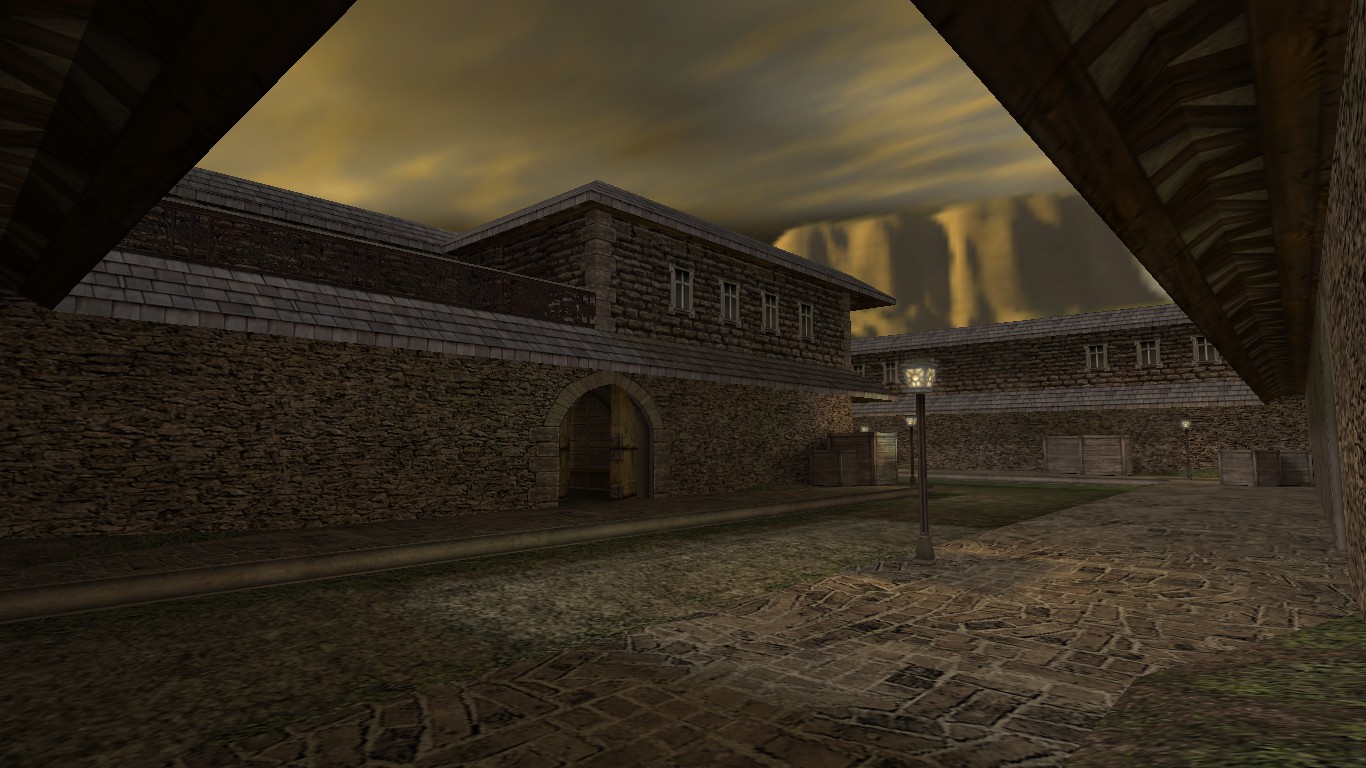
Let’s talk atmosphere. de_storm2, like its predecessor, carries a mood. Not just “moody” like a noir map or some half-lit city street—actual mood. Even when you’re just spectating. It’s heavy with atmosphere: overcast skies, dull green barracks, and the kind of brown-gray palette that defined more than a few 90s shooters—Quake, in particular, comes to mind. The ambient thunder isn’t just background noise; it shapes the entire experience. You’re not walking into a tactical engagement so much as a place that feels like it was left behind by something classified. Play it alone, and the silence doesn’t feel quiet—it feels like it’s waiting for something.
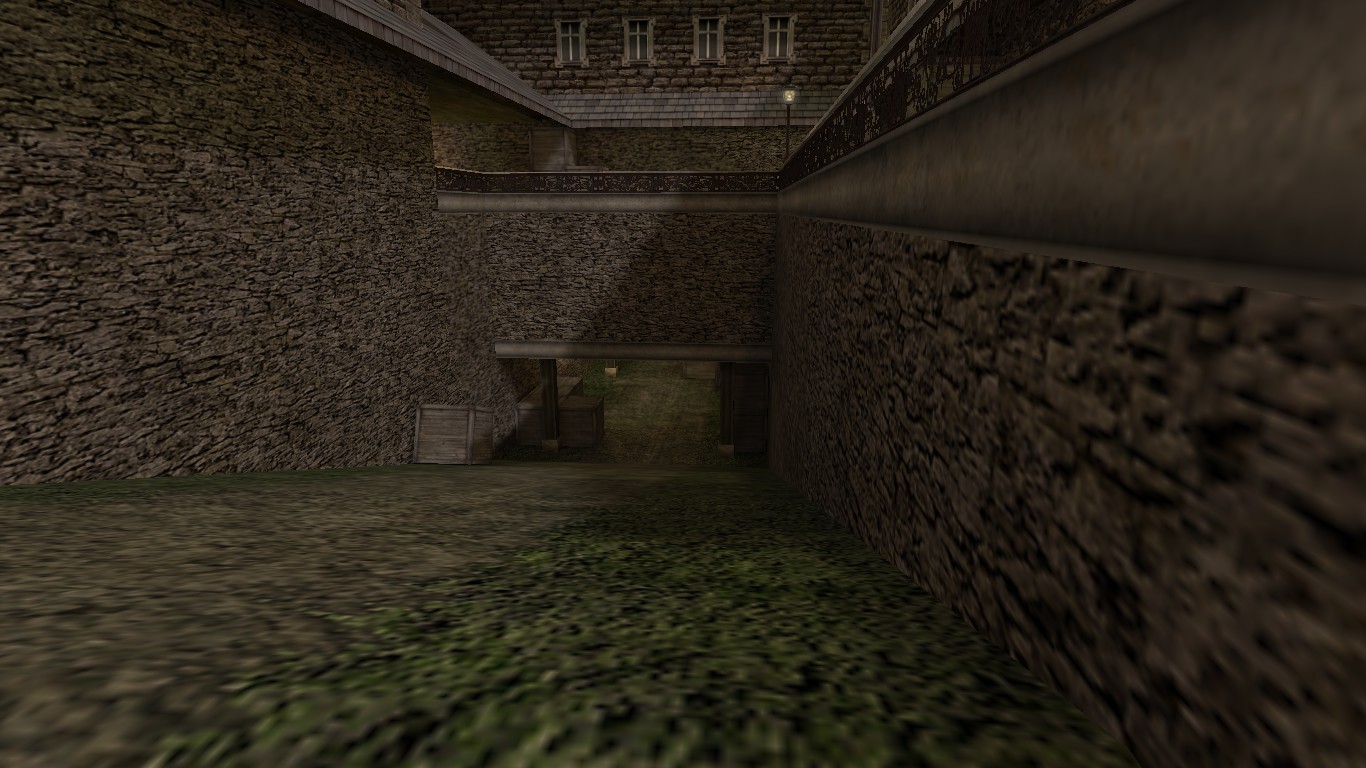
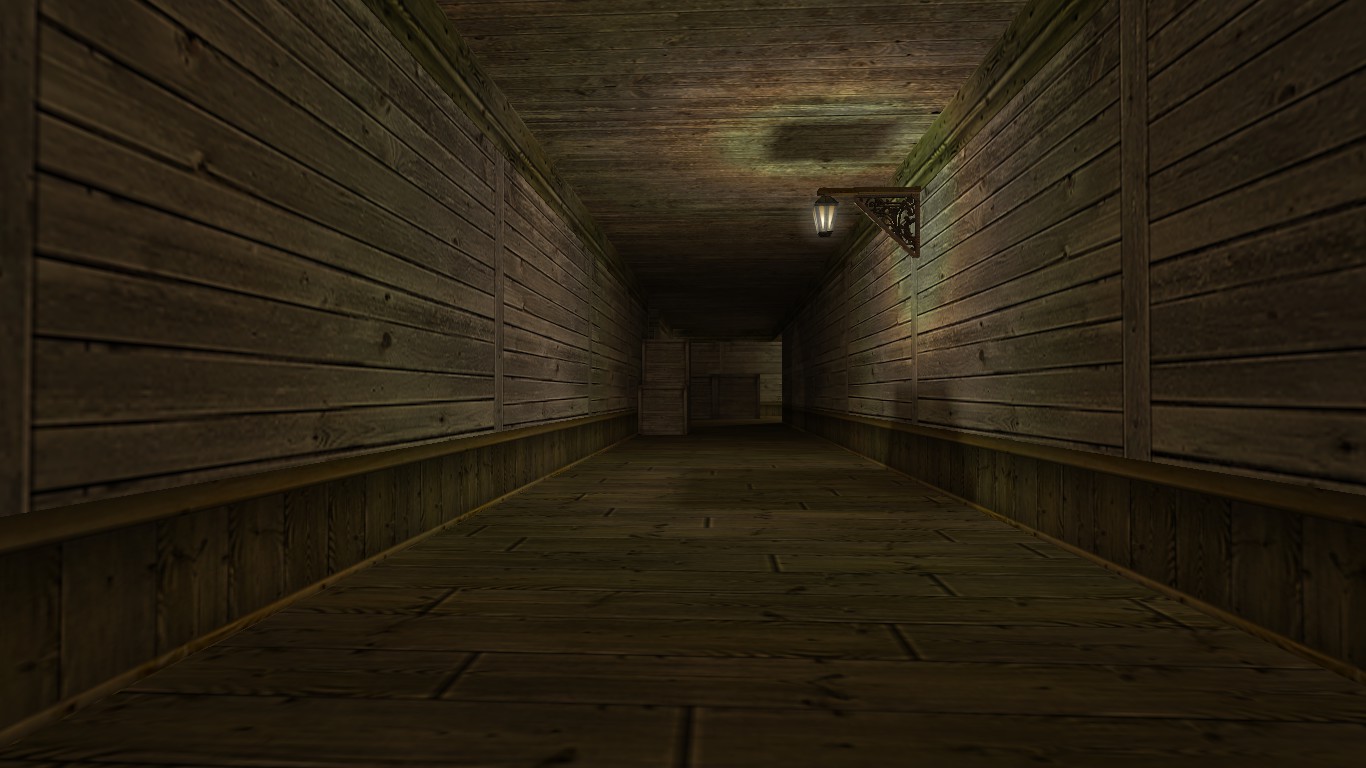
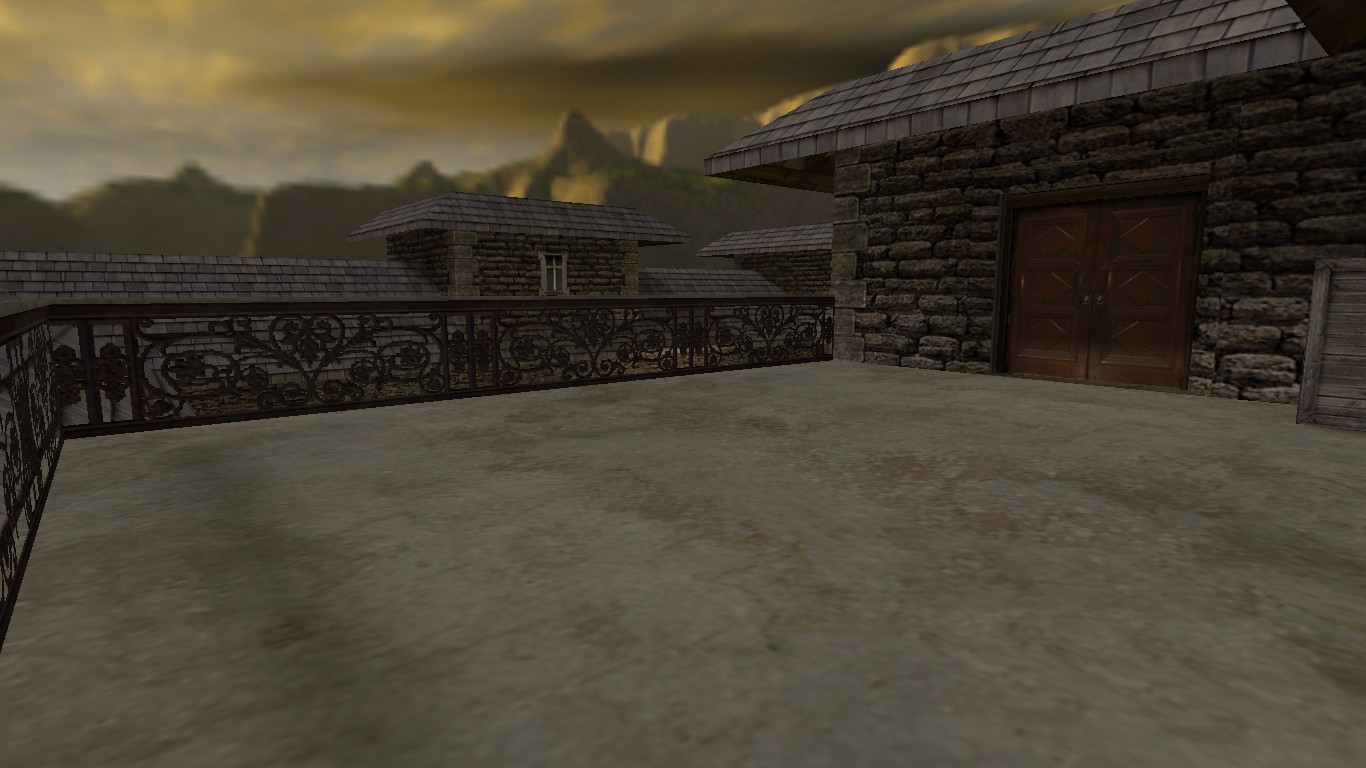
From a gameplay standpoint, storm2 stretches its limbs wide. Long hallways, open angles, and sniper duels dominate. Tight CQB? Rare. There’s a new balcony at Bombsite A, possibly added for verticality or tactical nuance. In practice, it’s a glorified sightseeing deck. Still, most changes show intent: the pathing is cleaner, the flow is tighter, and the performance tweaks suggest it was built with league play in mind.
Community consensus leans toward the idea that this was Daank’s CAL pitch. Whether it ever landed on the league’s radar is uncertain—there’s no formal record—but storm2 fits the profile. It looks, plays, and behaves like a map that wanted to be taken seriously. In that way, it mirrors many maps from the early CPL/CAL era—Fang, Rotterdam, and others that felt experimental before CS standards hardened into the holy trinity of Dust2, Mirage, and Inferno.
In fairness, neither version of storm became a staple. They were tested, scrimmed, and ultimately shelved in favor of more polished mainstays. But that doesn’t make them failures. Quite the opposite. They were maps built for players—not just spectators. Not optimized to death. They had flaws, yes, but also soul.
And here’s a curveball: storm2 is one of the rare maps where night vision goggles make sense. Not as a gimmick—actually useful. That alone should earn it a footnote in the history books.
Rating: ★★★★☆
