


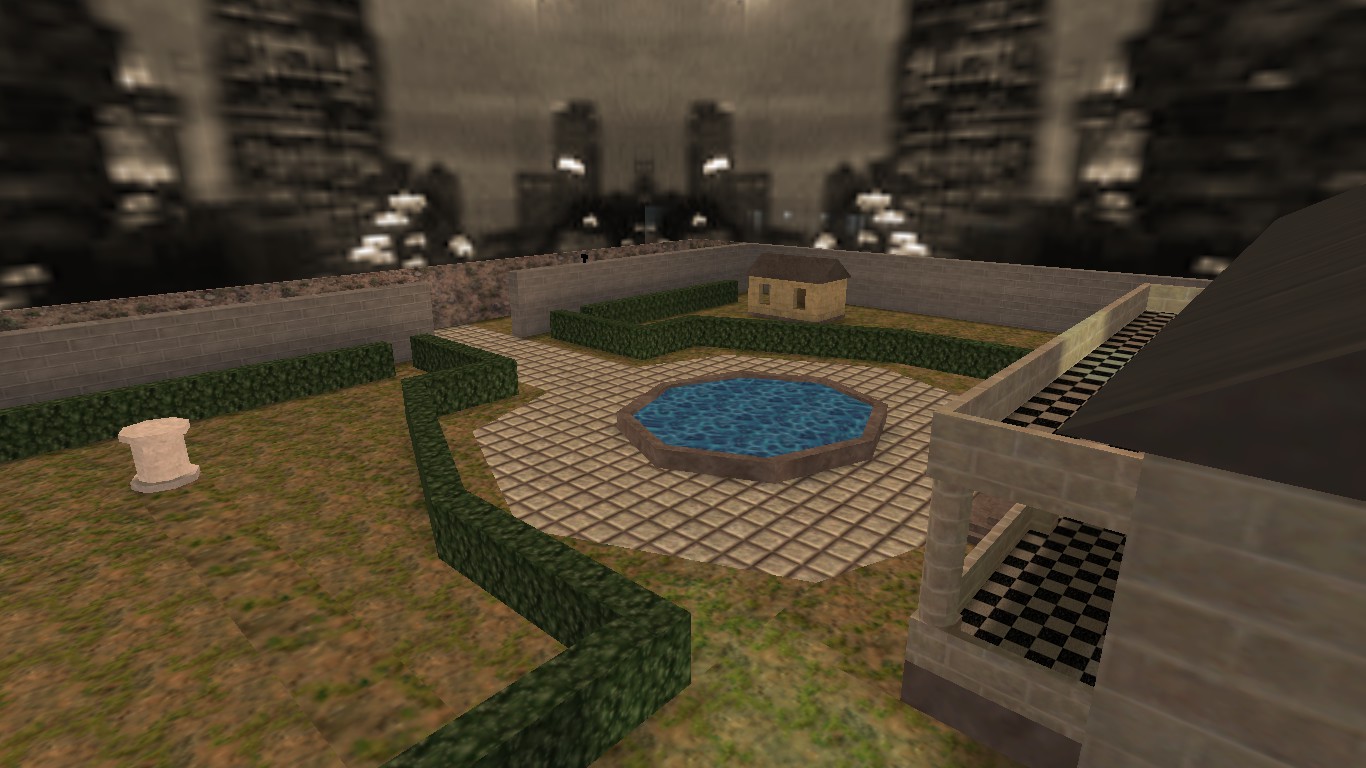
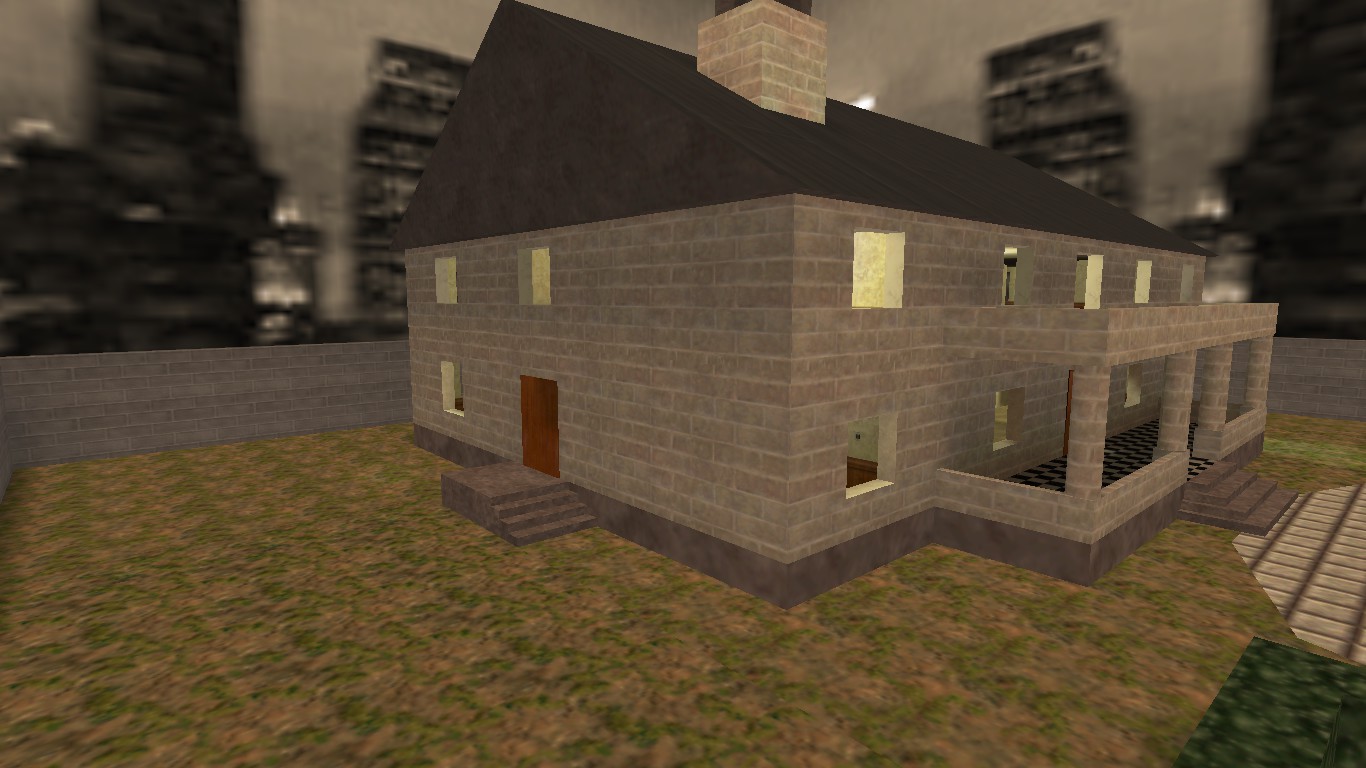
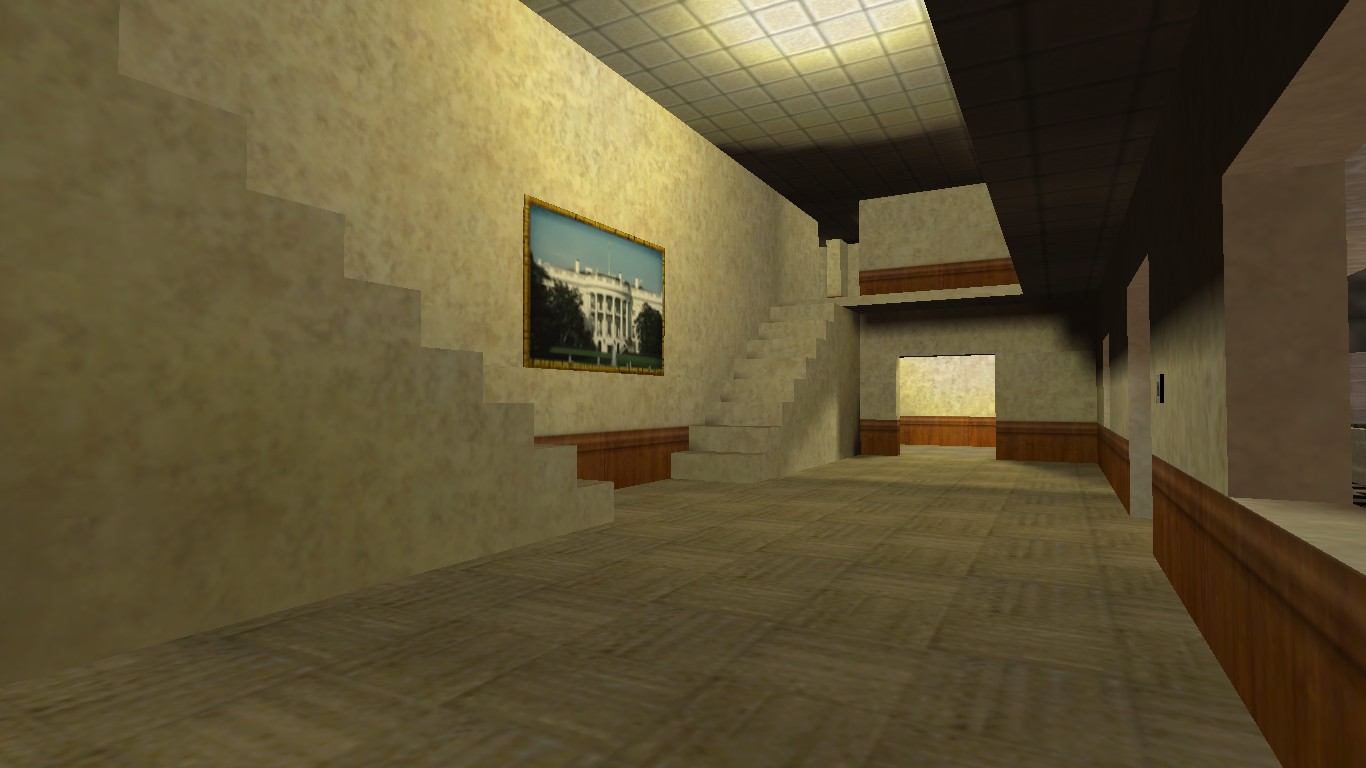
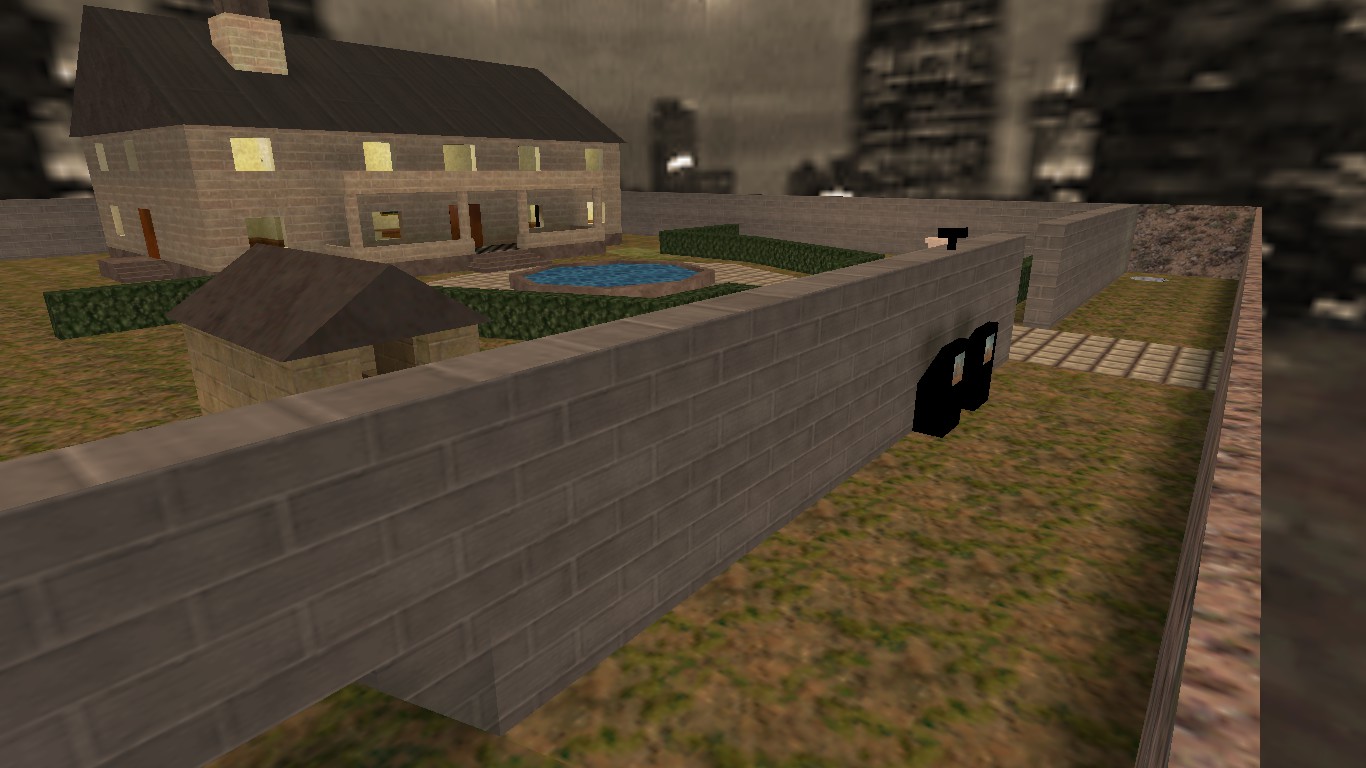
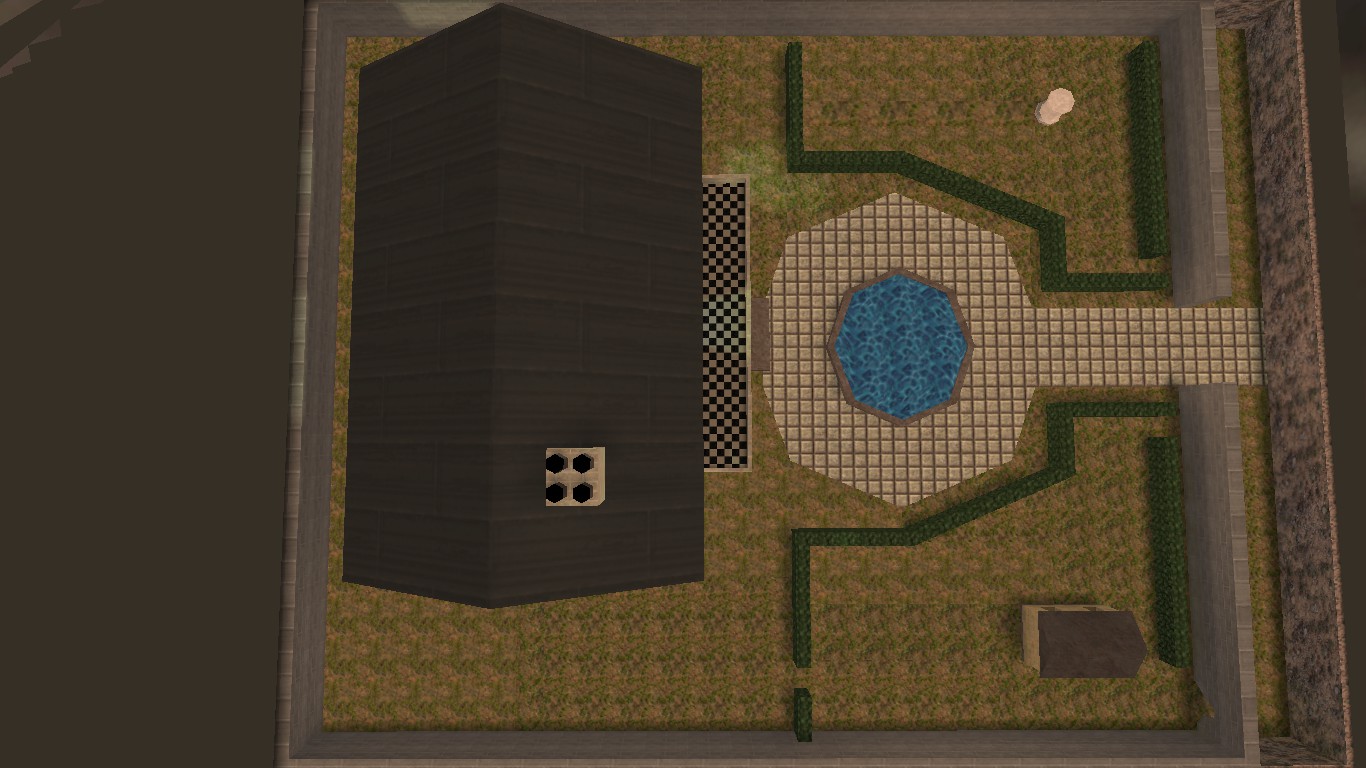
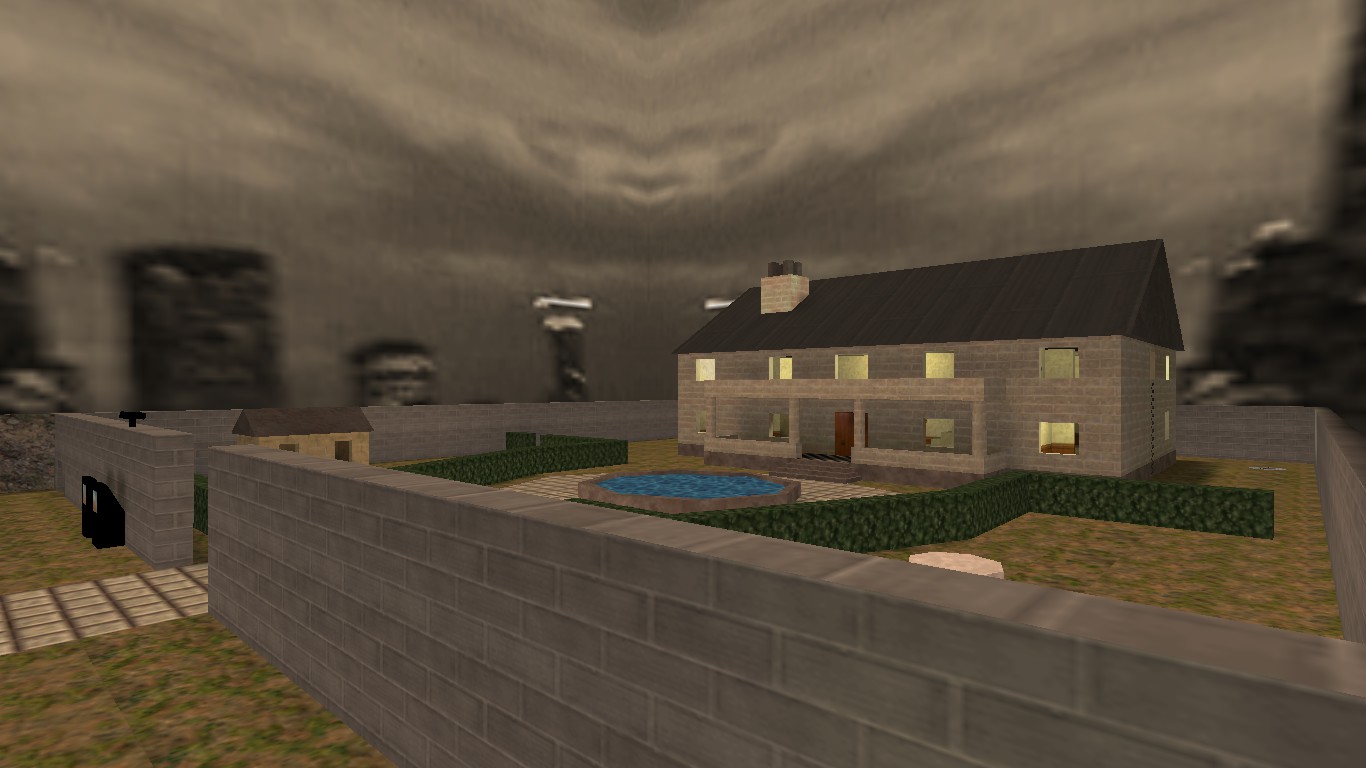
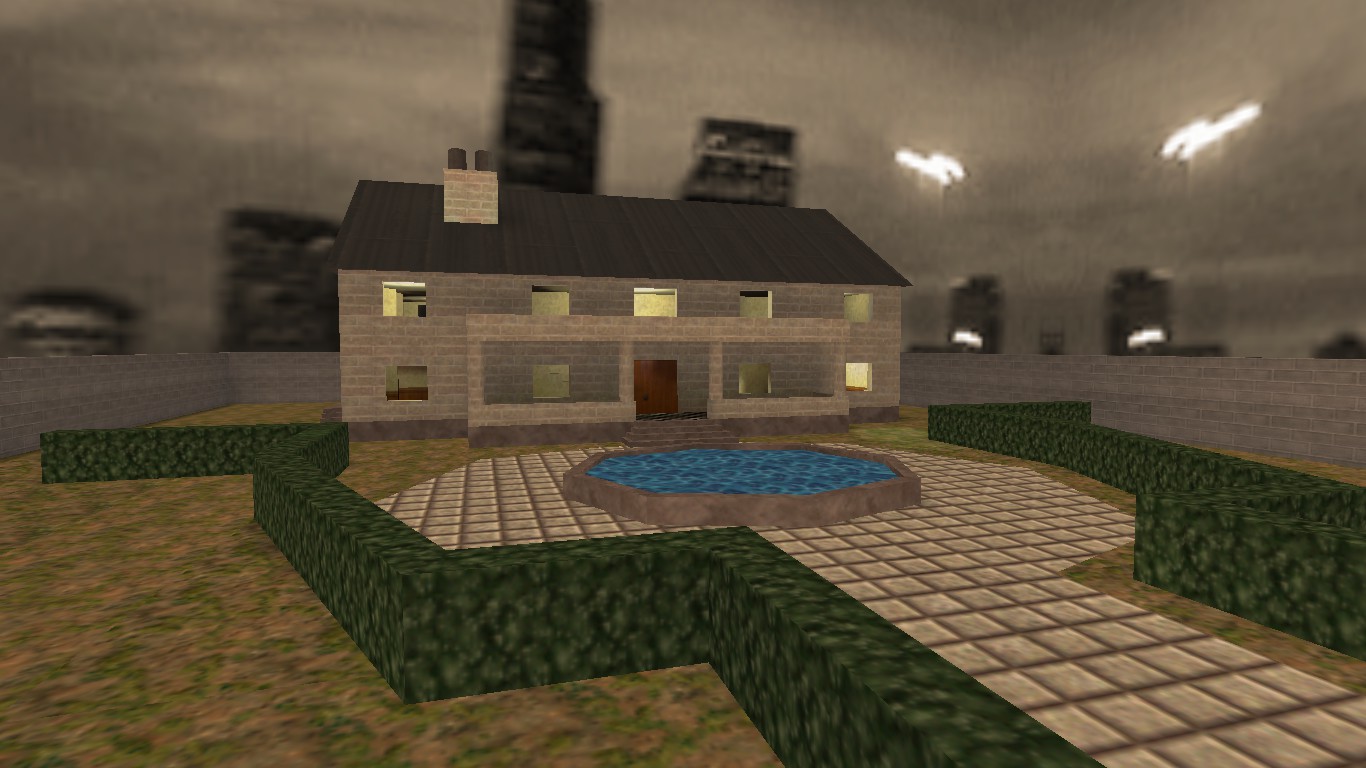
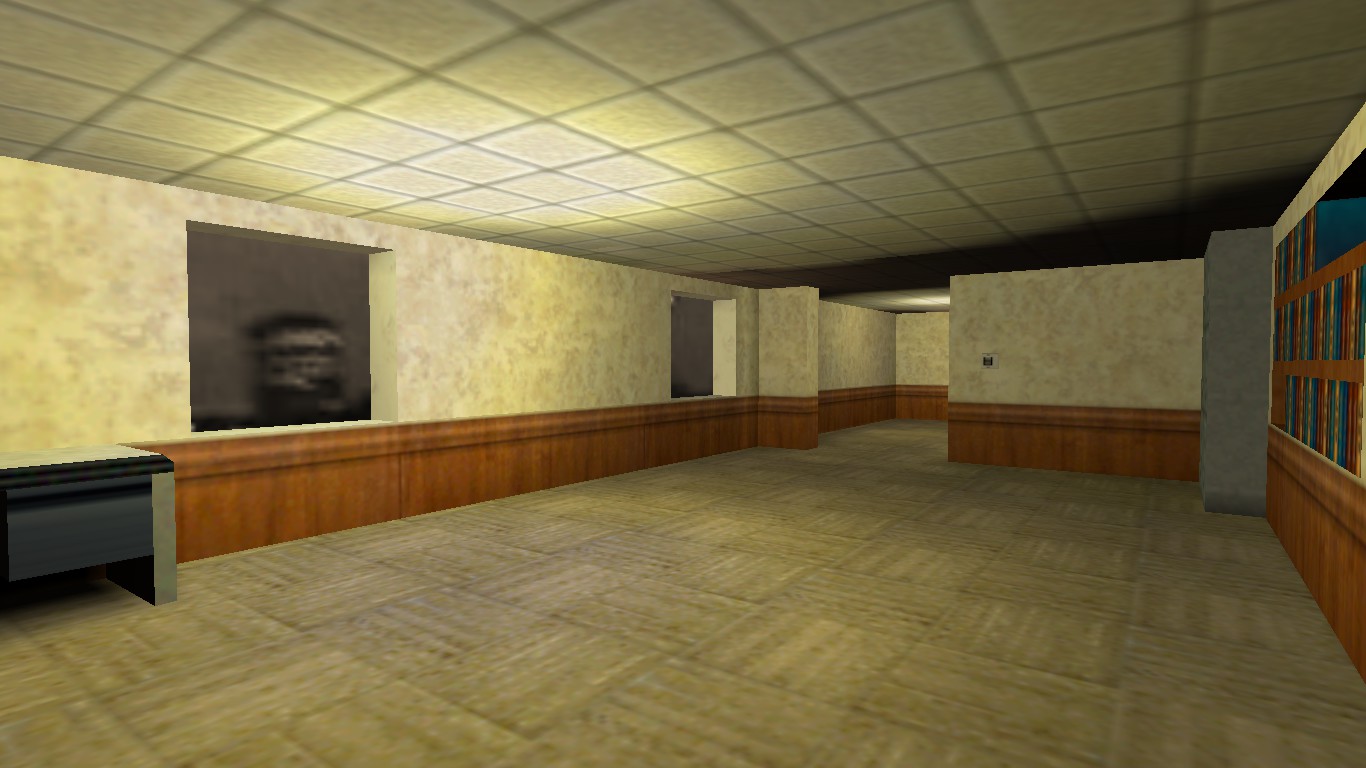
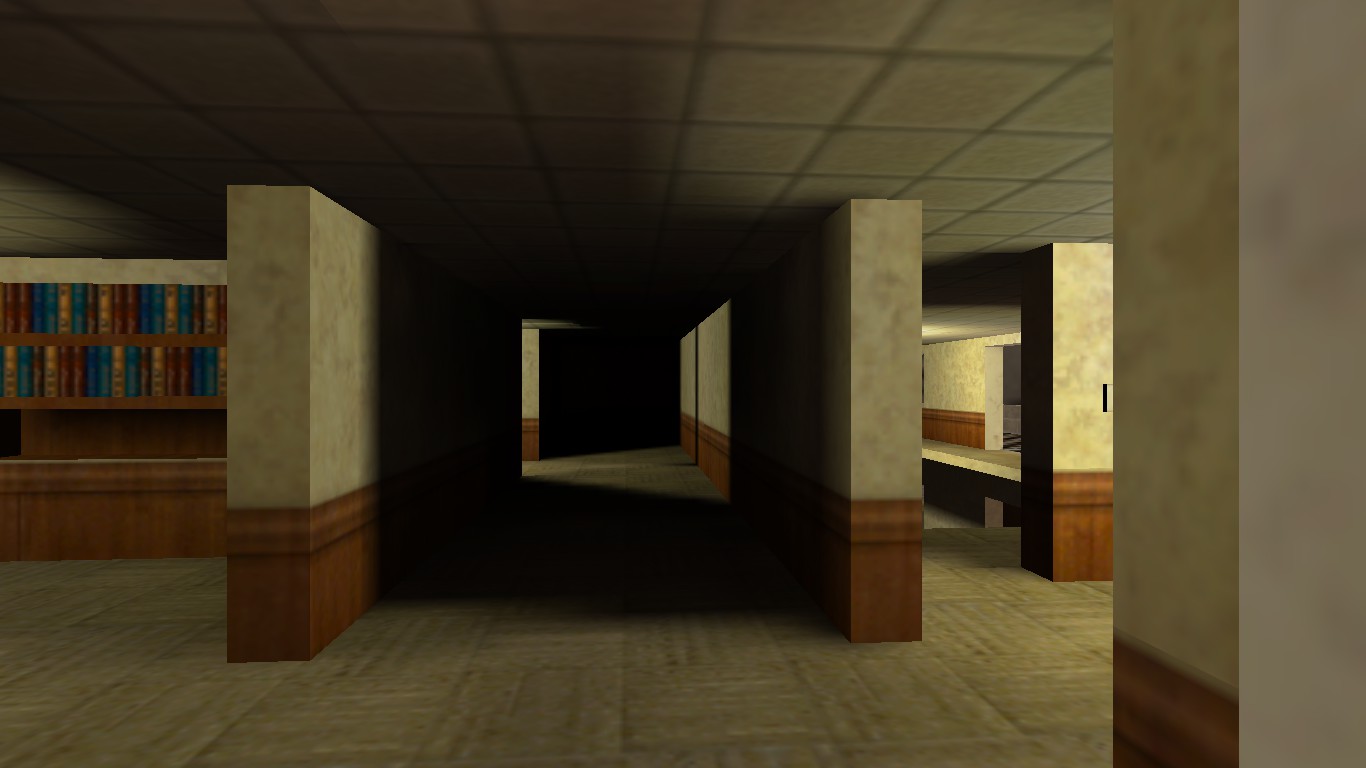
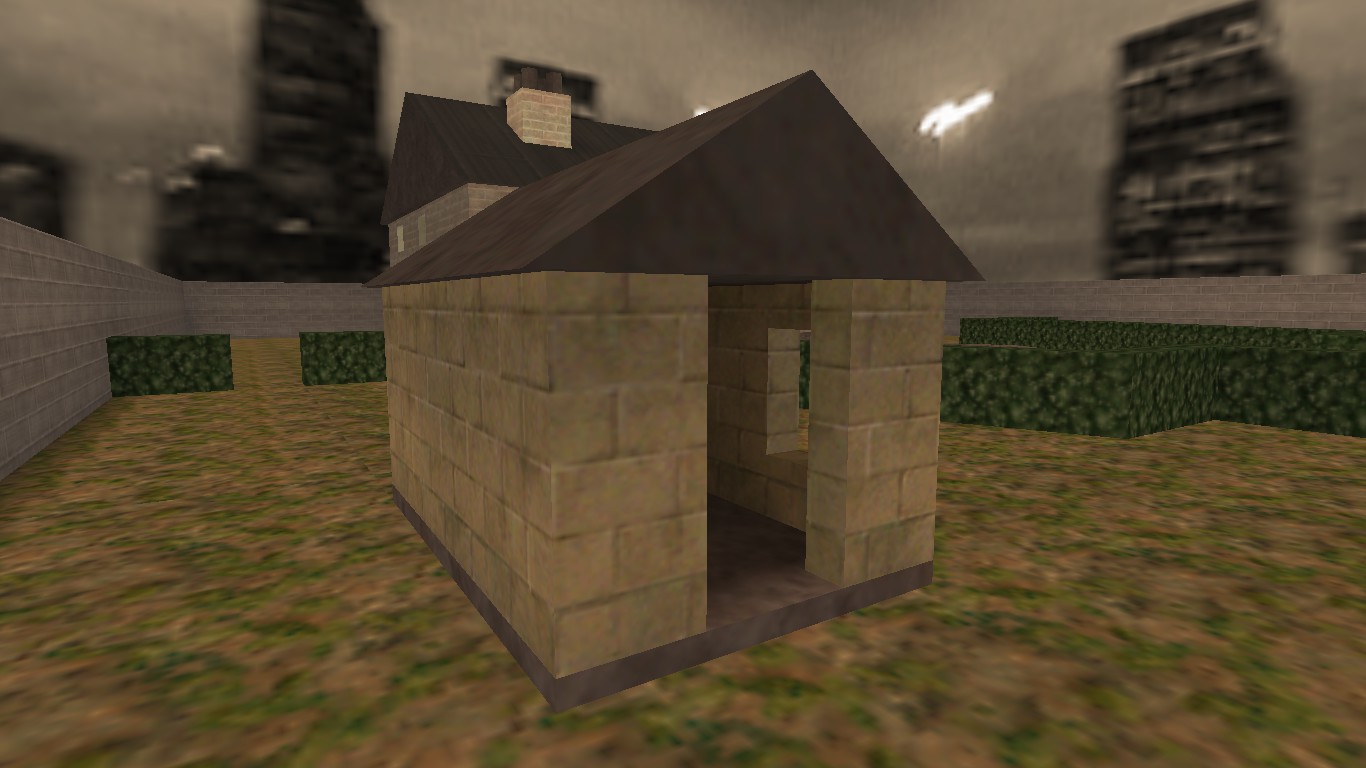
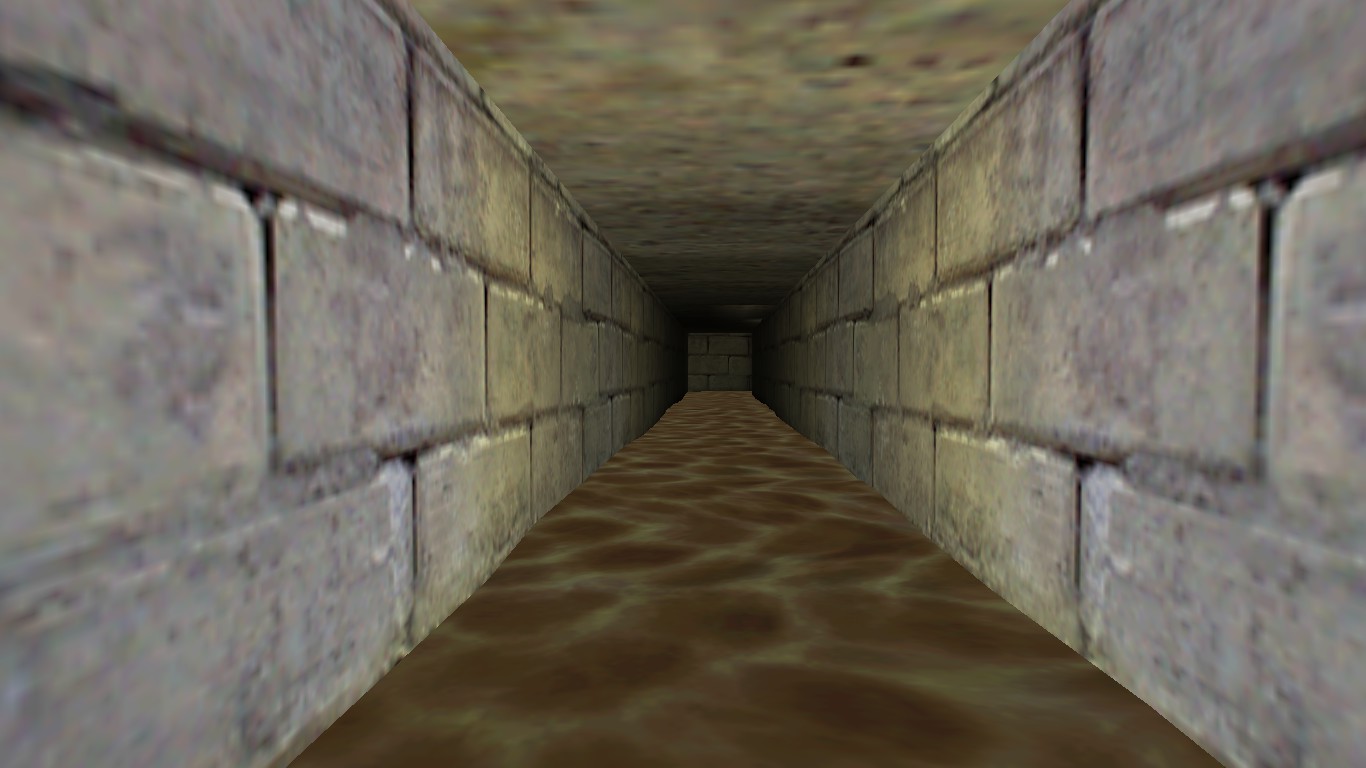
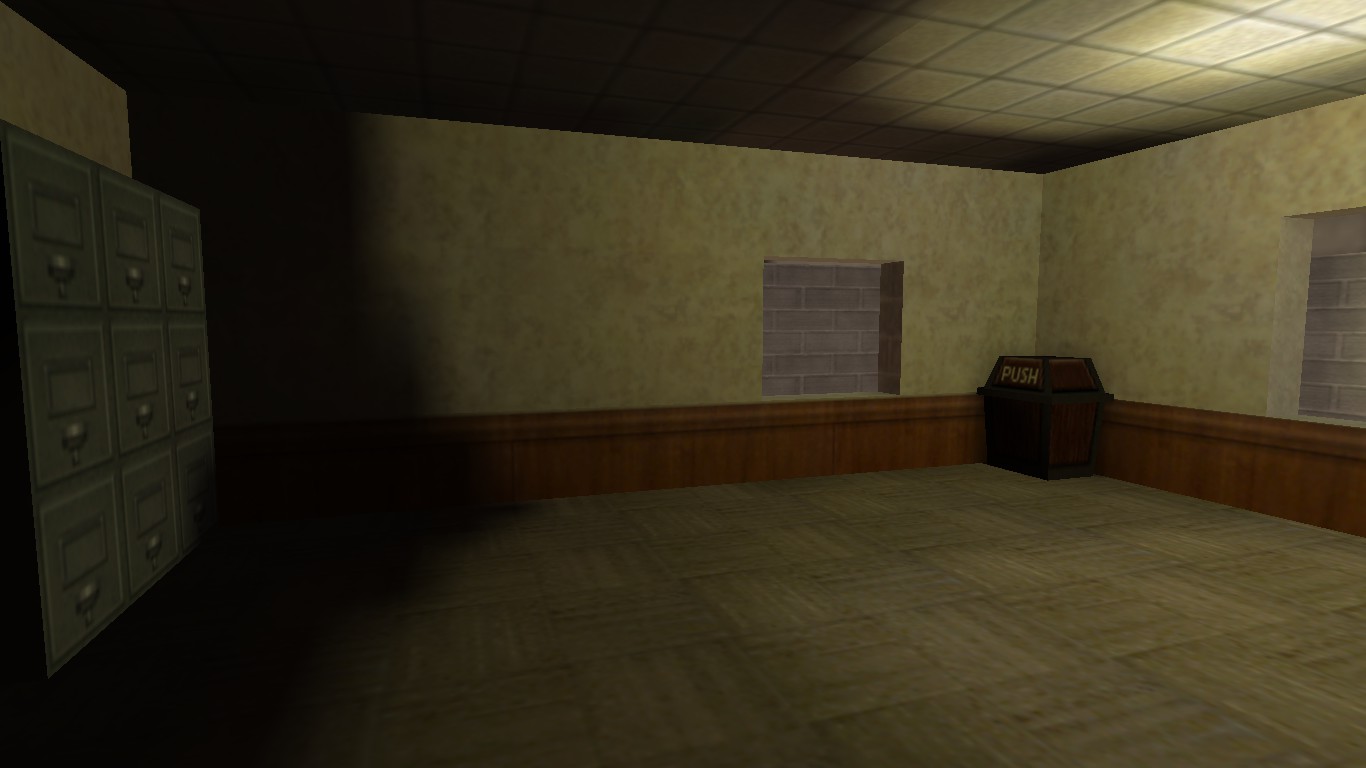
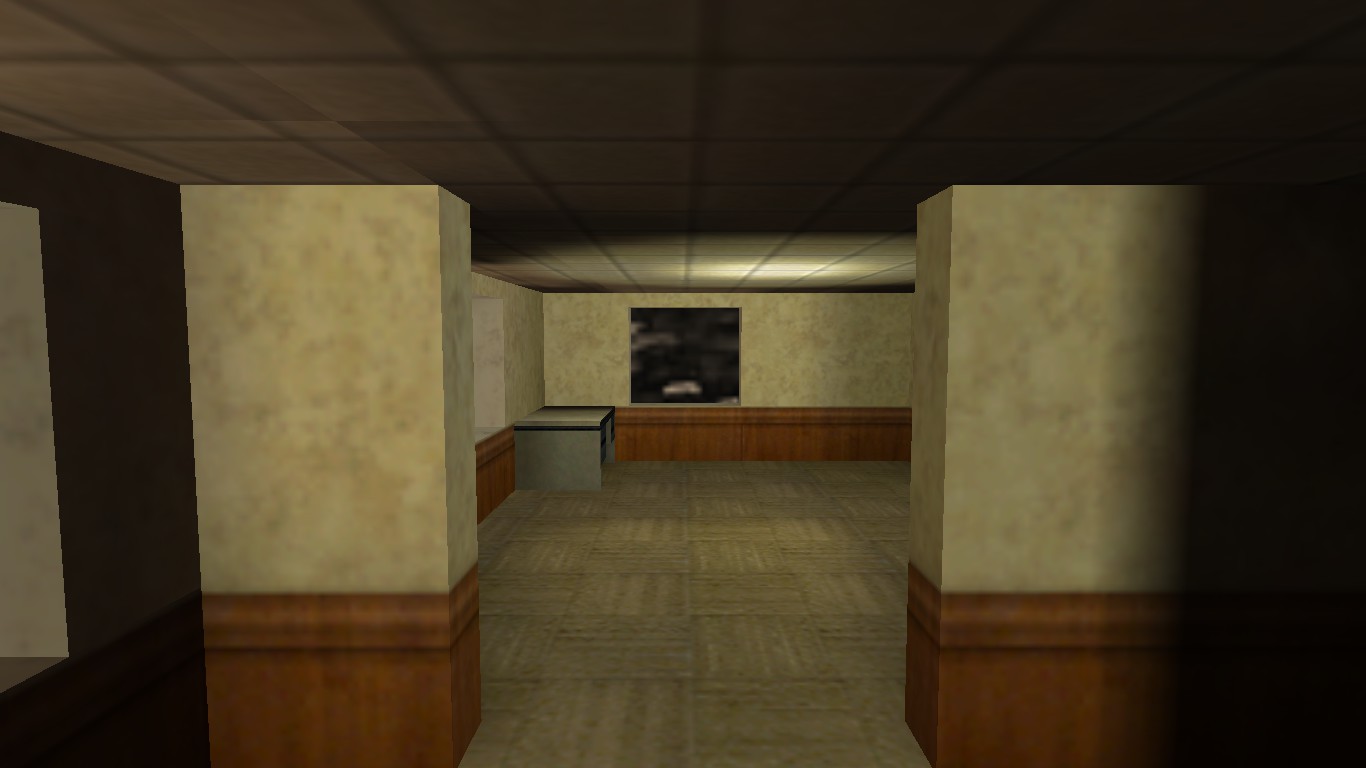
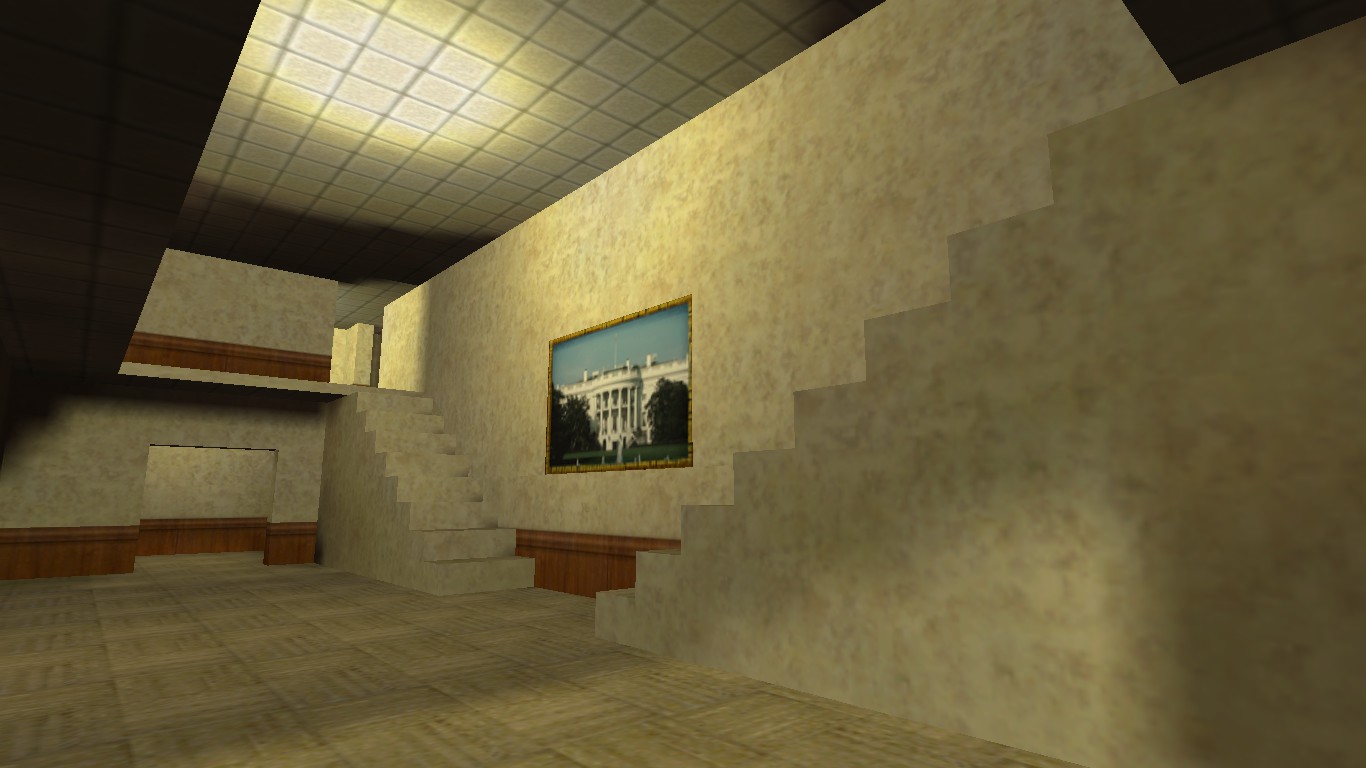
Step back to the late 1990s. A young Swedish mapmaker named Magnus Lind designed a level called cs_mansion. This wasn’t just any map — it was included in the very first playtest of Counter-Strike. Sure, someone else might have made a map for that initial test, but Mansion’s role is undeniable: its layout, ideas, and quirks helped shape the early CS experience, leaving a mark that stretches all the way to today’s servers.
Origins
Magnus wasn’t new to mapping; he had been building levels for Quake II and Quake III. Jess Cliffe stumbled across one of Magnus’s Team Fortress Classic maps — Spyhard — and reached out. At first, Magnus declined — schoolwork was calling — but eventually he crafted what would become Mansion. By May 1999, it was part of the very first Counter-Strike playtest, cementing its place in CS history.
Design, Flaws, and Charm
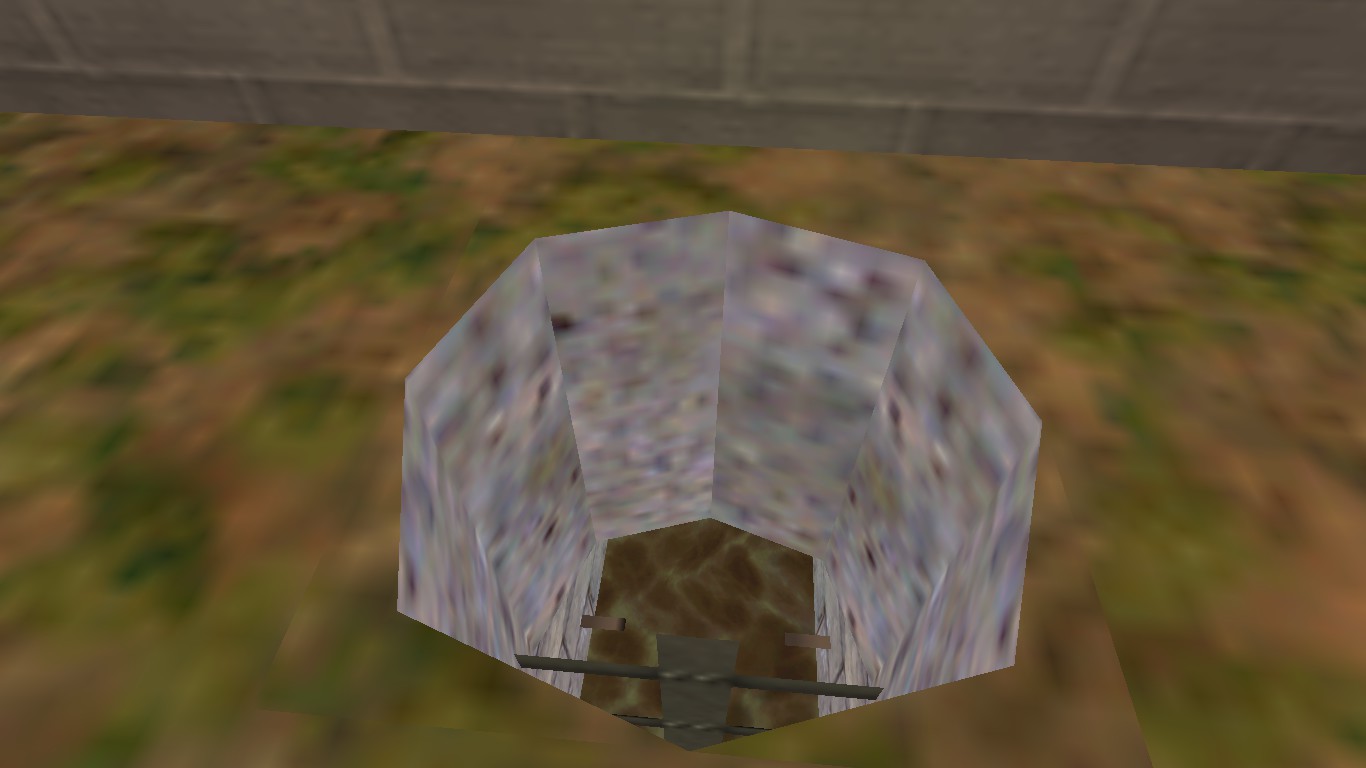
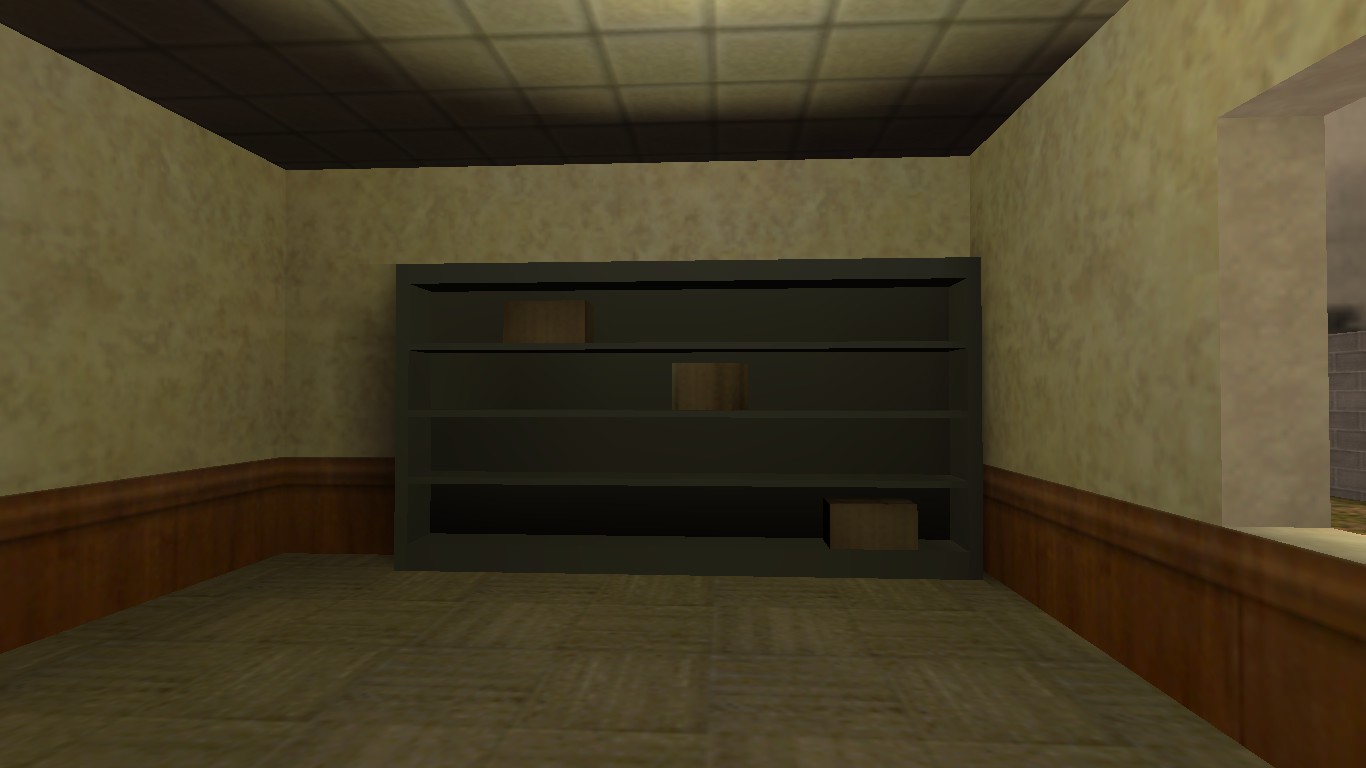
Let’s be honest: Mansion is far from a visual masterpiece. Gameplay isn’t perfect either — it has rough edges, awkward choke points, and some quirks that wouldn’t pass modern design standards. And yet… people kept playing it. “Tens of thousands of hours logged… some by geniuses, some by people who just liked running into walls.” That’s the paradox of Mansion: flawed, yet memorable.
Magnus himself summed it up: “It’s a fun map to play — it may not be much of a looker but it’s definitely got something special.” That “something” could be a clever line of sight, a particularly tense choke, or the warm nostalgia of tracing Counter-Strike’s beginnings.
Little Details That Make It Stick
It’s the small touches that give Mansion its personality:
Every room has a switch to toggle the lights. “Back then, toggling lights was basically a high-tech special effect.”.
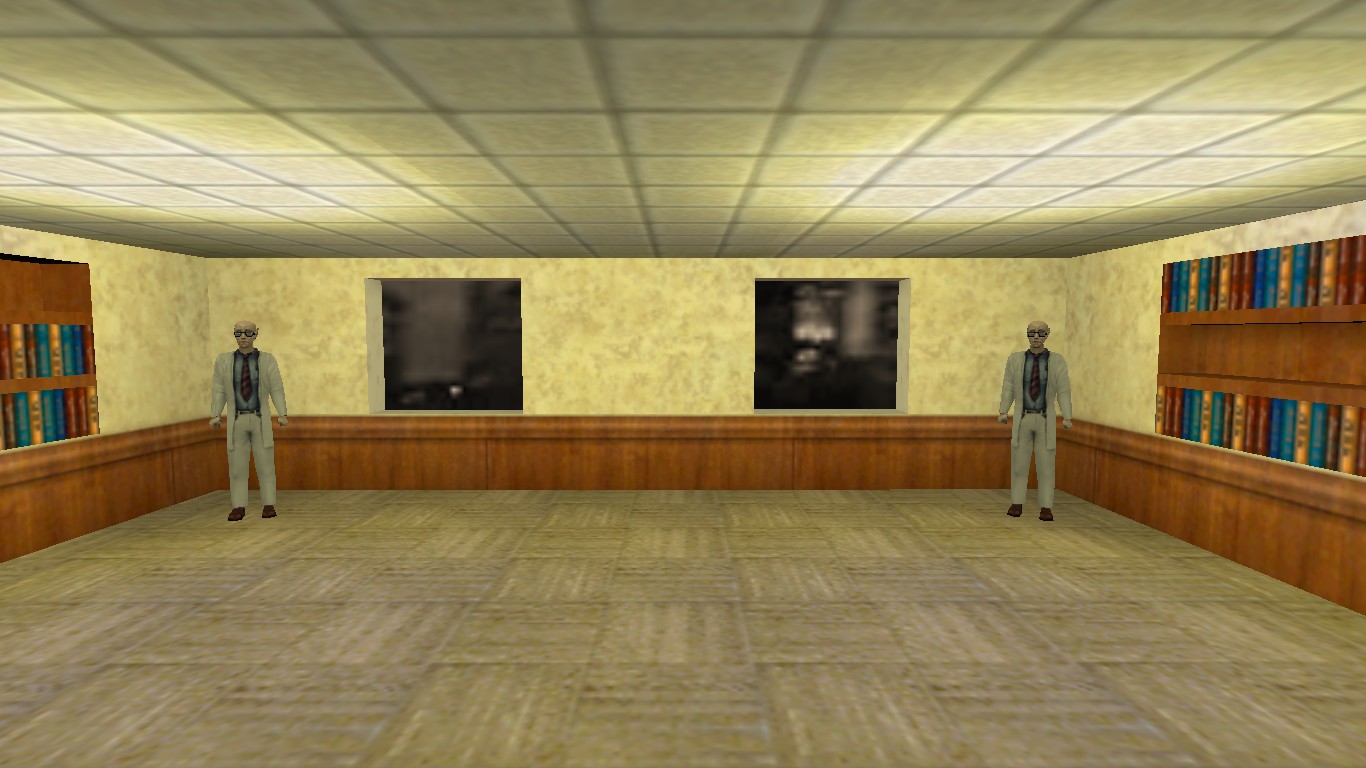
Security cameras scan critical zones — one monitors the second-floor middle, another the front yard.
Even the skybox contributes to the feel. It borrows a texture from an unused Half-Life sky asset, creating a deliberately strange, whimsical atmosphere overhead.
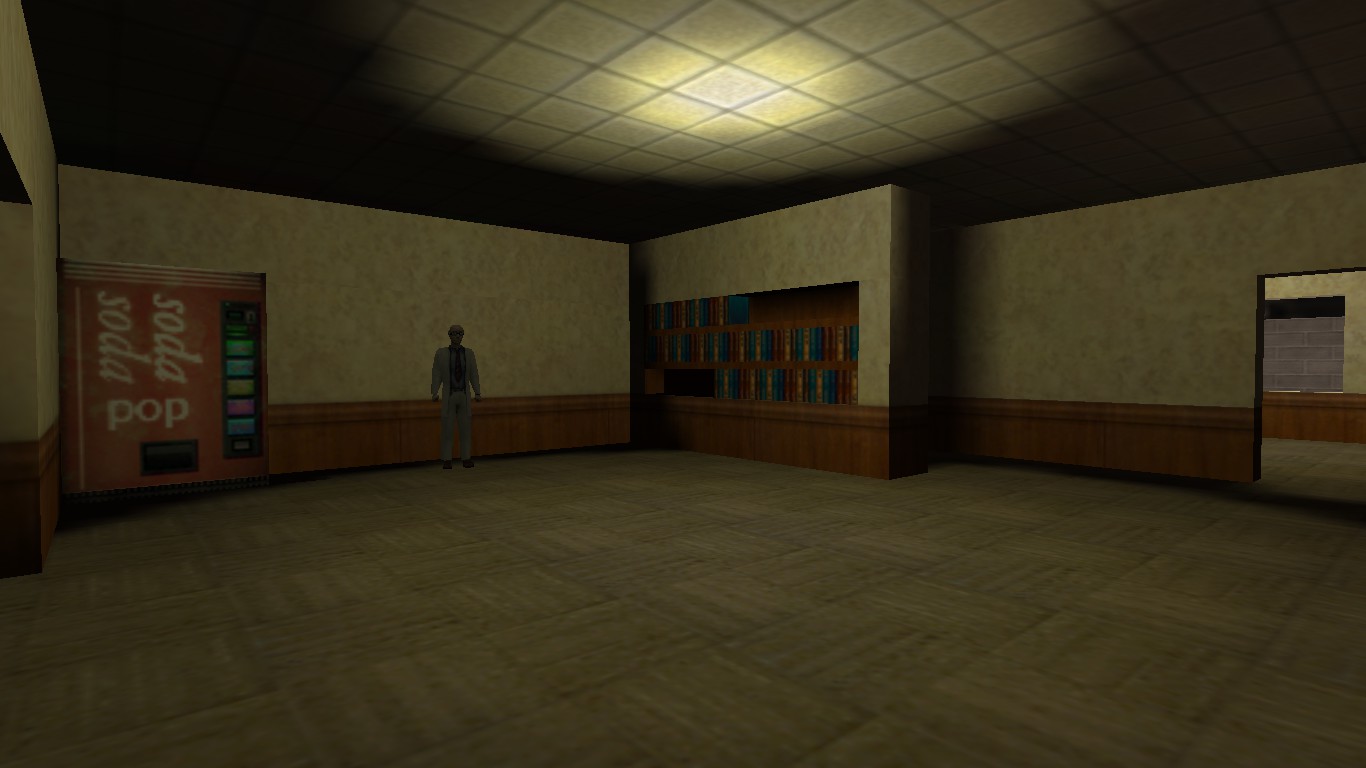
the vending-machine room hostage became a meme before memes were a thing. No seriously who has a vending machine in their own home?
These design decisions don’t just serve gameplay — they make the map memorable, give it life, and keep players returning, even decades later.
Mansion isn’t perfect. It’s a relic, a little rough around the edges, and yet somehow it works. Maybe that’s the point: the map is a time capsule, a reminder of where Counter-Strike came from and why we keep coming back to these old halls, corridors, and backyards.
Rating: ★★★☆☆
Written by Slade Krowley. And remember: my friends, the dawn is your enemy.
